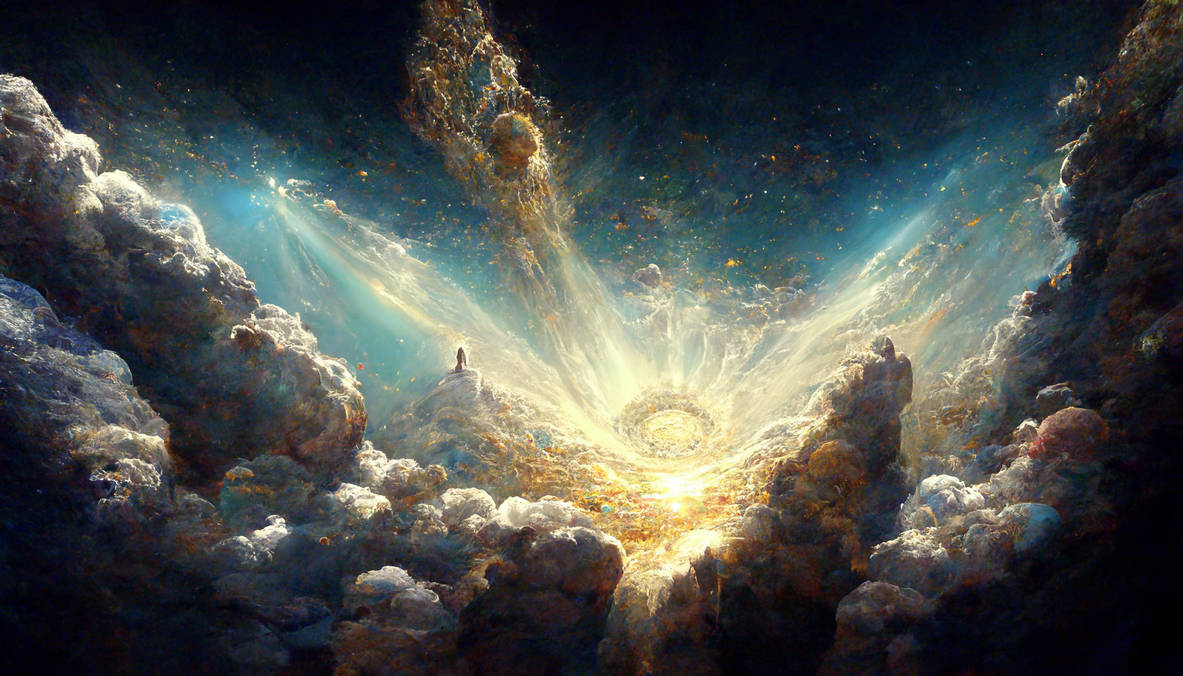
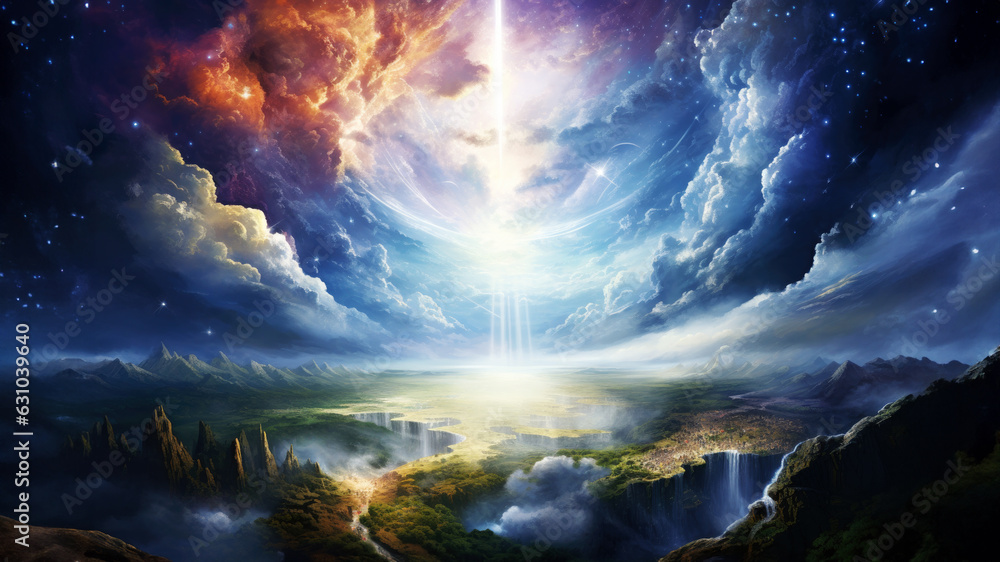
Choosing the right approach to capturing the heavens: a guide to astronomical images starts with clear context, practical filters, and realistic expectations.
Introduction to Astronomical Images
The heavens have long been a source of fascination for humans, with their vast expanse and mysterious beauty. From the earliest civilizations to modern times, people have been captivated by the night sky, trying to understand and capture its essence. With the advent of photography and digital technology, it has become possible to capture stunning images of the heavens, revealing details and wonders that were previously unknown.
The Beauty of Galaxies Galaxies are massive, gravitationally bound systems consisting of stars, stellar remnants, interstellar gas, dust, and dark matter. They come in a variety of shapes and sizes, from spiral galaxies like our own Milky Way to elliptical galaxies and irregular galaxies. Images of galaxies offer a glimpse into
the formation and evolution of the universe, with their sweeping spiral arms and vibrant central bulges. The Hubble Space Telescope has captured some of the most iconic images of galaxies, including the Whirlpool Galaxy and the Sombrero Galaxy.
Observing Galaxies
Observing galaxies can be a challenging but rewarding experience. Amateur astronomers can use telescopes and binoculars to observe nearby galaxies like Andromeda and Triangulum, while professional astronomers use powerful telescopes and spacecraft to study distant galaxies. Some popular galaxy-observing targets include:
- The Milky Way: our home galaxy, visible as a bright band of light in the night sky
- Andromeda Galaxy: the closest major galaxy to the Milky Way, visible to the naked eye on a clear night
- Whirlpool Galaxy: a beautiful spiral galaxy with a striking central bulge and sweeping spiral arms
The Wonder of Stars Stars are massive, luminous balls of gas that light up
the universe. They come in a variety of sizes and colors, from small, cool red dwarfs to large, hot blue giants. Images of stars offer a glimpse into the life cycle of these celestial bodies, from their birth in giant molecular clouds to their death in supernovae explosions. The Kepler Space Telescope has captured stunning images of stars, including the famous TRAPPIST-1 system with its seven Earth-sized planets.
Stellar Classification Stars can be classified into different types based on their spectral characteristics.
The most common classification system is the Harvard Spectral Classification Scheme, which divides stars into seven main classes:

- O: blue, extremely hot and luminous stars
- B: blue, hot and luminous stars
- A: white, medium-hot and luminous stars
- F: yellow, medium-cool and luminous stars
- G: yellow, medium-cool and medium-luminous stars (like the Sun)
- K: orange, cool and medium-luminous stars
- M: red, cool and low-luminous stars
The Majesty of Planets Planets are large, rocky or gaseous bodies that orbit around stars. They come in a variety of sizes and compositions, from small, rocky planets like Earth to large, gaseous planets like Jupiter. Images of planets offer a glimpse into
the diversity of planetary systems, from the scorching hot surfaces of Venus and Mercury to the icy cold landscapes of Neptune and Uranus. The Cassini-Huygens mission has captured stunning images of Saturn and its moons, including the ringed planet's majestic rings and the geysers of Enceladus.
Planetary Exploration
Planetary exploration is an exciting and rapidly evolving field, with new missions and discoveries being made regularly. Some of the most significant planetary exploration milestones include:
- The Voyager 1 and 2 spacecraft, which have entered interstellar space and are exploring the outer reaches of the solar system
- The Mars Curiosity Rover, which has been exploring the surface of Mars since 2012 and has discovered evidence of ancient lakes and rivers
- The New Horizons spacecraft, which has flown by Pluto and is exploring the Kuiper Belt, a region of icy bodies and small celestial objects beyond Neptune
Celestial Events and Phenomena
Celestial events and phenomena are transient and often spectacular, offering a glimpse into the dynamic and ever-changing universe. Images of celestial events like solar eclipses, lunar eclipses, and planetary alignments offer a glimpse into the intricate dance of celestial bodies. The Solar and Heliospheric Observatory (SOHO) has captured stunning images of solar flares and coronal mass ejections, while the Lunar Reconnaissance Orbiter has imaged the Moon's surface in unprecedented detail.
Astronomical Imaging Tools
Astronomical imaging tools are essential for capturing high-quality images of the heavens. Some popular tools include:
- Telescopes: optical, radio, and space-based telescopes for observing and imaging celestial objects
- Binoculars: handheld or mounted binoculars for observing the Moon, planets, and bright stars
- Cameras: digital cameras and CCD cameras for capturing images of the night sky
- Image processing software: software like Adobe Photoshop and StarStax for enhancing and combining astronomical images
- Planetarium software: software like Stellarium and Celestia for simulating the night sky and planning astronomical observations
Practical Tips for Capturing Astronomical Images Capturing high-quality astronomical images requires patience, practice, and attention to detail. Some
practical tips include:
- Using a sturdy tripod and remote shutter release to minimize camera shake and vibration
- Adjusting exposure settings and ISO to optimize image quality
- Using image stacking and noise reduction techniques to enhance image detail and reduce noise
- Paying attention to atmospheric conditions and celestial events, such as moon phase and planetary alignments
Conclusion
Images of the heavens offer a glimpse into the beauty and wonder of the universe, from the majestic spiral arms of galaxies to the intricate details of planetary systems.
By using astronomical imaging tools and techniques, amateur and professional astronomers can capture stunning images of the night sky, revealing new insights and discoveries about the cosmos. Whether you're a seasoned astronomer or just starting out, the heavens have something to offer everyone, from the thrill of discovery to the beauty of celestial landscapes.
- Frequently Asked Questions:
- What is the best camera for astronomical imaging?
- The best camera for astronomical imaging depends on your budget, experience, and goals. DSLR cameras and CCD cameras are popular choices for capturing high-quality images of the night sky.
- How can I observe galaxies and stars?
- You can observe galaxies and stars using telescopes, binoculars, or even the naked eye. Start with bright, easy-to-see targets like the Milky Way, Andromeda Galaxy, and Orion Nebula.
- What are the best astronomical imaging software tools?
- Some popular astronomical imaging software tools include Adobe Photoshop, StarStax, and Autostakkert. These tools can help you enhance and combine images, remove noise and artifacts, and optimize image quality.
- Can I capture astronomical images with a smartphone?
- Yes, you can capture astronomical images with a smartphone, but the quality may not be as high as with a dedicated camera or telescope. Use a tripod, remote shutter release, and image editing software to optimize image quality.
- What are the most spectacular celestial events to observe?
- Some of the most spectacular celestial events to observe include solar eclipses, lunar eclipses, planetary alignments, and meteor showers. Check online resources and astronomical calendars to plan your observations and make the most of these events.
- How can I learn more about astronomy and astronomical imaging?
- You can learn more about astronomy and astronomical imaging by reading books, online resources, and forums. Join online communities, attend star parties and astronomy events, and take online courses to improve your skills and knowledge.
- What are the best resources for astronomical images and data?
- Some of the best resources for astronomical images and data include NASA, the European Space Agency, and online archives like the Sloan Digital Sky Survey and the Hubble Space Telescope archive. These resources offer a wealth of images, data, and information about the universe, from galaxies and stars to planets and celestial events.